8 December 2025 - Destinations in Focus

Ultimate Guide to Photo Tours in Uganda

A Photographer’s Journey Into Uganda’s Forests, Savannahs, and Wildlife

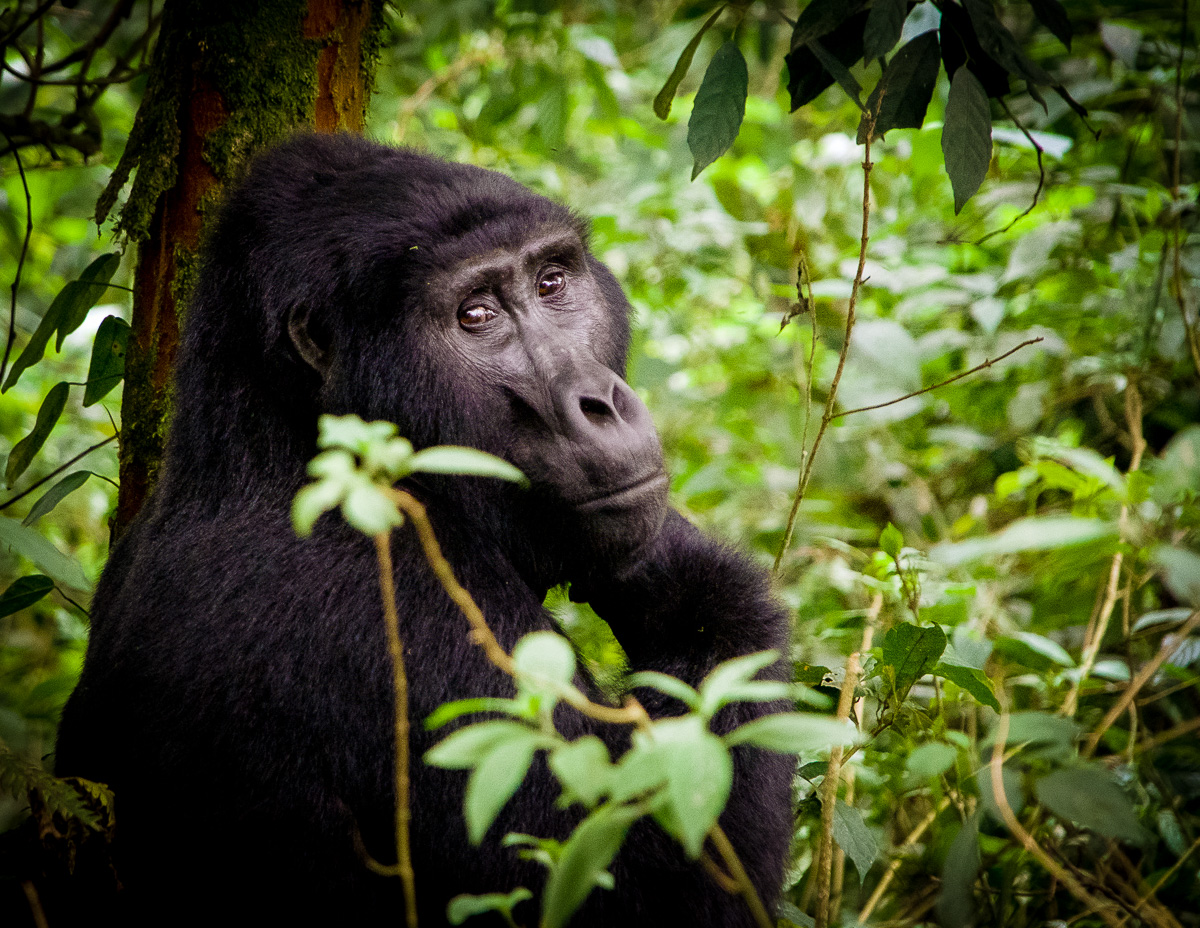
Most photographers venture to Uganda with a clear intention: to stand quietly among mountain gorillas and capture portraits that reflect the dignity and complexity of the world’s most iconic primates. And it’s every bit worth the journey, because this experience feels both intimate and monumental, and it’s the benchmark of everything that follows.

But that doesn’t mean the country’s photographic appeal ends with gorillas. Once you leave Bwindi’s dense forest, Uganda unfolds into an unexpectedly varied canvas: open savannahs where elephants and antelopes move through warm afternoon light, forests alive with chimpanzees and smaller primates, wetlands alive with extraordinary birdlife, and volcanic highlands that shift colour with the passing clouds. A photography tour in Uganda can be a broader exploration of ecosystems, behaviours, and moods. 

This guide walks you through why Uganda stands out, how to prepare, and – you guessed it – why you might join our very own photo safari to Uganda.

Mountain gorilla in Rwanda Volcanoes National Park.

What Makes Uganda Exceptional for Photographers

Uganda offers what many other safari destinations don’t – the combination of intimate encounters with primates, a classic African safari experience, and an array of dramatic landscapes. That’s a pretty spicy mix of photographic ingredients, all in one trip. Let’s break the highlights down;

1. Bwindi’s Mountain Gorillas 

The mountain gorillas of Bwindi Impenetrable Forest are the centrepiece of any photographic itinerary in Uganda. The hike can be arduous, but entirely worth it when you find a family of gorillas, and have the privilege of observing and photographing them as they continue their routines. It’s hard to not resort to cliches when describing this experience, but spending time with gorillas in their natural environment – a stunning ancient forest – is genuine, quiet, and unforgettable.

2. Primates of Kibale Forest 

In contrast to Bwindi’s steady, contemplative pace, Kibale Forest introduces a different kind of energy. This is East Africa’s most reliable place for chimpanzee encounters, and the photographic approach shifts accordingly. You often hear the chimpanzees before you see them, and when you catch up, you’re instantly surrounded by the rhythm of a busy community – chimps feeding, climbing, interacting, and shifting through the forest around you.

Beyond chimpanzees, Kibale is home to a wide range of primates: red colobus, L’Hoest’s monkeys, mangabeys, vervets. Each offers new behaviour, new angles, and new chances to work with fast-moving subjects in dense, atmospheric light. 

Get mountain gorilla photography tips by a pro

gorilla in Uganda

3. The Savannah Experience 

While Uganda is often defined by its forests, the country’s savannah regions offer a more traditional photo safari environment – but with the welcome advantage of fewer crowds than neighbouring countries. For a keen wildlife photographer, this duality – forest intimacy and open-plain drama – is what makes Uganda so appealing. 

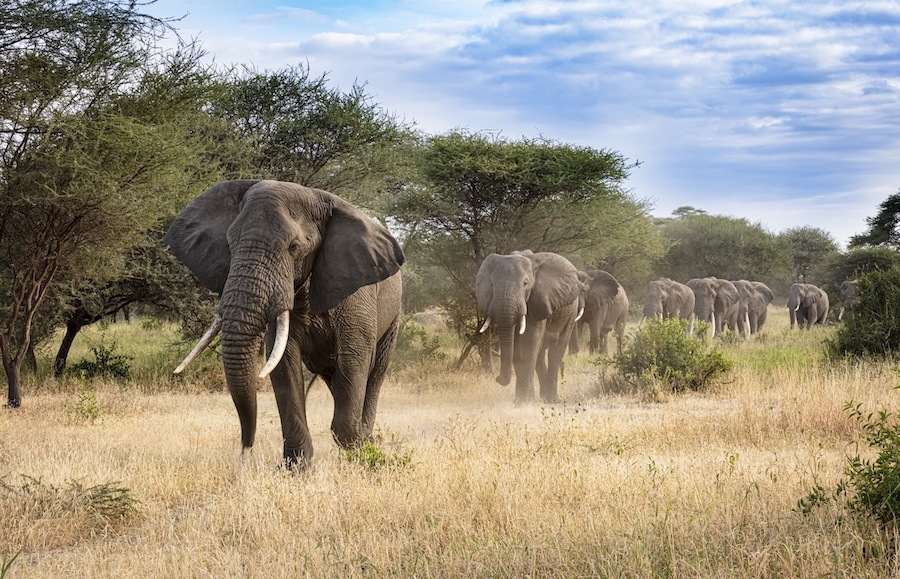
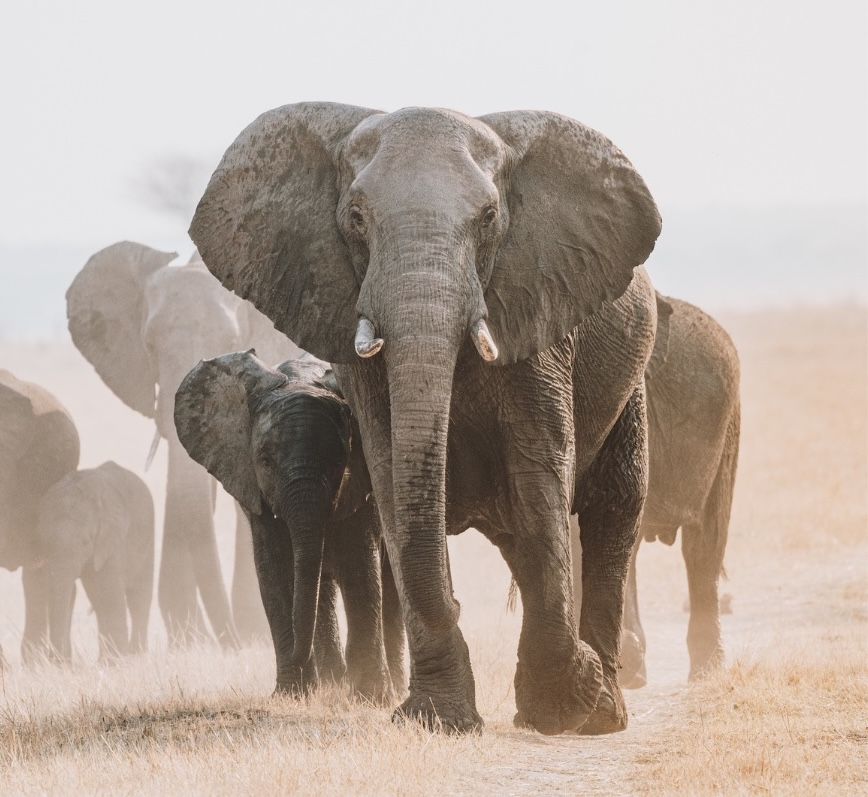
In Queen Elizabeth National Park, Murchison Falls National Park, and Lake Mburo, you’ll find elephants, buffalo, hippos, giraffes, antelopes, hyenas, and the famous tree-climbing lions of Ishasha. These landscapes reward patient observation, long lenses, and an eye for interaction and behaviour. Sunrise and sunset add warm, beautiful light that shapes the wide horizons into cinematic scenes. 

4. Landscapes & Atmosphere 

Uganda’s landscapes often catch photographers by surprise. The country isn’t typically marketed for scenery alone, yet it delivers remarkable possibilities:

  • Mist-wrapped hills rolling into Bwindi
  • Crater lakes reflecting shifting sky colour
  • Wetlands alive with both silence and birdsong
  • Volcanic backdrops adding structure to wide shots
  • The powerful surge of Murchison Falls carving through rock

These environments invite thoughtful composition and a slower photographic rhythm. Environmental storytelling – wildlife in context, or land without animals at all – can become as rewarding as the portraits and close-up wildlife work.

Zambia photo safari

When to Visit

Uganda is a year-round destination, but each season offers different photographic benefits:

  • June–August & December–February (drier months):
    Clearer skies, firmer trekking trails, more predictable light – especially helpful in forests.
  • March–May & September–November (wetter months):
    Rich greenery, atmospheric mist, dramatic cloud formations, fewer visitors. 

What Camera Gear Works Best in Uganda

To navigate the country’s wide range of subjects and habitats, you’ll benefit from having a diverse camera kit. Obviously you can create magic with any gear, but we would recommend the following; 

Lenses:

  • Telephoto (200–400mm or 100–500mm) for wildlife
  • Mid-range zoom (24–70mm) for environmental portraits and forest scenes
  • Wide-angle (14–24mm or similar) for landscapes and dramatic forest ambience

Support gear:

  • Lightweight tripod or monopod for low-light forest scenes
  • Beanbag for photographing from safari vehicles
  • Ample batteries and memory cards 
  • Waterproof covers for both camera and bag
Playful gorilla baby in Bwindi Impenetrable Forest, Uganda

A Few Things to Consider When Planning Your Trip

Fitness and Trek Readiness: Gorilla trekking requires a reasonable level of fitness. Trails in Bwindi can be steep, muddy, and uneven, and the trek can be taxing. And the length of the trek is completely unpredictable – the gorillas can be anything from thirty minutes to five hours away from your starting point. It’s essential that you’re comfortable taking on this challenge. (Good hiking boots go a long way!) Chimpanzee tracking in Kibale is usually less demanding, but it’s still an active forest walk with roots, slopes, and the occasional need to move quickly. 

Altitude and Climate: Bwindi sits at a higher elevation, which makes the forest cool and humid. The temperature is pleasant, but the air can feel heavier than at sea level, especially during steep ascents. Most people adjust quickly, but it’s worth keeping in mind while preparing.

Camera Gear Practicalities: Uganda’s forests are beautiful – and they’re also dense, damp, and full of movement. It helps to carry only what you really need. A comfortable backpack, rain protection for your gear, and a system for quick access can make the days far easier. 

Planning Early: Gorilla and chimp permits must be booked in advance, and travel seasons matter. The drier months tend to offer easier trekking conditions and clearer forest paths, though Uganda’s forests always hold a bit of moisture. Planning early ensures the best alignment between your dates and available primate encounters. 

Monkey in Uganda

Should You Join an Organized Photo Safari?

Sure, we’ve got some skin in the game when it comes to this question. But consider the benefits of joining an organized photography trip – with a reputable photo tour company, of course; 

  • You’re guided by professional wildlife photographers who teach in the field. Make sure to join a trip with a small group, so that there’s plenty of time for personalised tutoring from your photography guide. 
  • The itinerary will be designed around photographic light, behaviour patterns, and timing, not generic sightseeing. For anyone who wants to create meaningful work (rather than simply observe), this attention to detail, with photography in mind, makes a tangible difference.
  • Permits, logistics, timing, and location selection will all be handled with precision so you can focus entirely on your craft.
  • You’ll travel with other photographers, who are equally excited about photographic opportunities, happy to take their time to get the right shot, and keen to share ideas and passion. 

About Our Upcoming Uganda Photo Safari

If you’re ready to explore Uganda’s photographic treasures, check out our upcoming photo tour to see if this is a good fit for you. Needless to say, we’ll hit on all the highlights (gorillas in Bwindi, chimps in Kibale, a safari in Queen Elizabeth National Park), and throw in some unique elements too, like a visit to Ziwa Rhino Sanctuary, and gorilla trekking in Mgahinga National Park. You’ll be guided by a pro, travel in a group of maximum six people, and enjoy a daily itinerary that’s entirely built around the thing that binds us – a love of photography.

Other recent posts

Close Menu

TOURS

VOLUNTEERING

DESTINATIONS

PHOTOGRAPHY FOCUS

ABOUT US

BLOG

PHOTO COMPETITION

ENQUIRE

BACK

PHOTOGRAPHY FOCUS