26 February 2026 - Destinations in Focus

Chimpanzee Photography in Kibale National Park: A Complete Guide

Making the most of photographing chimps in a Ugandan forest

Photographing wild chimpanzees is rarely straightforward. It means working in dense forest, adapting to low and shifting light, and responding to constant movement. But things align and the right moment presents itself – a chimpanzee pausing, a glance through a break in the foliage – the result can be powerful.

For some of the most consistent opportunities to experience this, you need to venture to Kibale National Park in western Uganda. Habituated chimpanzee groups allow photographers to observe and work at relatively close range, while still within a natural forest setting. Just note that the environment requires flexibility, patience, and a willingness to work with what the forest gives you.

This guide is designed to help you prepare for chimpanzee photography in Kibale, covering what to expect, how to approach the technical challenges, and how to work responsibly and thoughtfully in this environment.

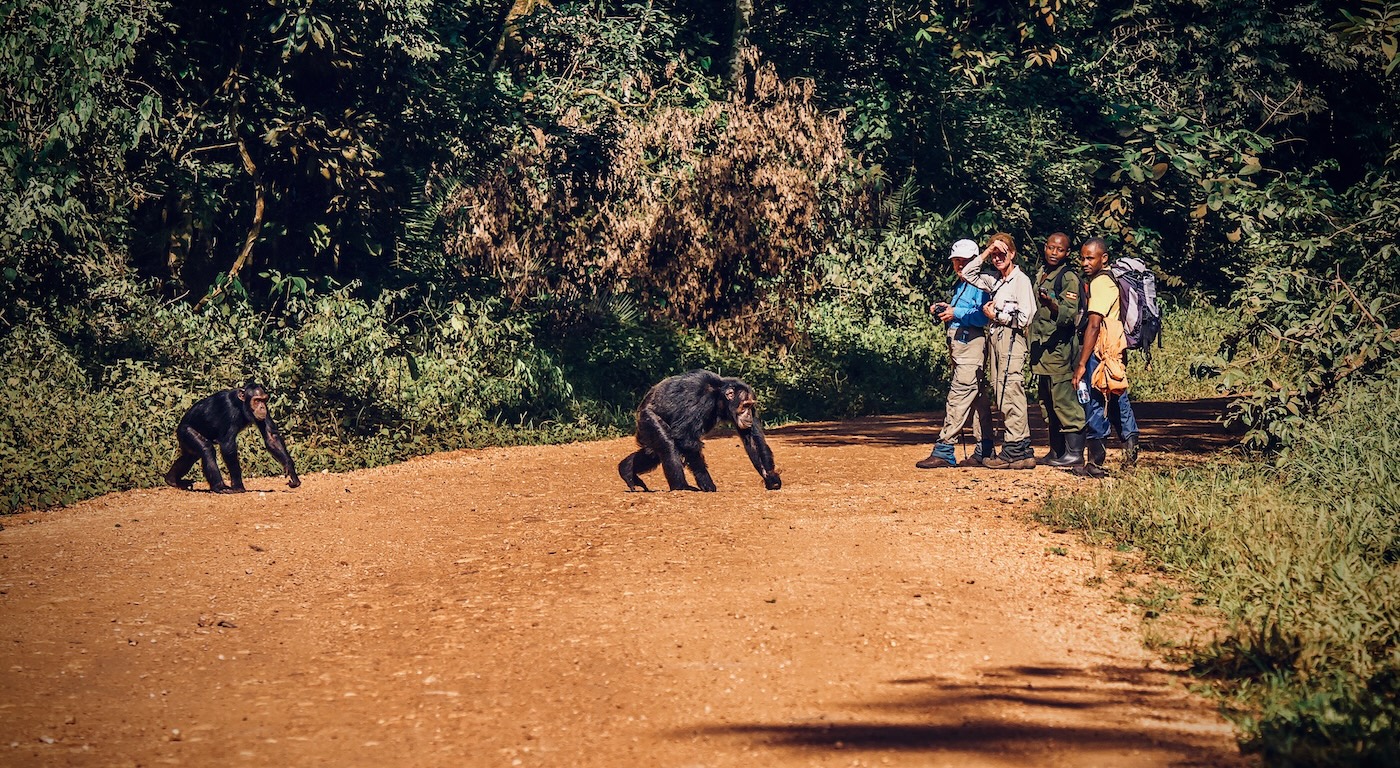
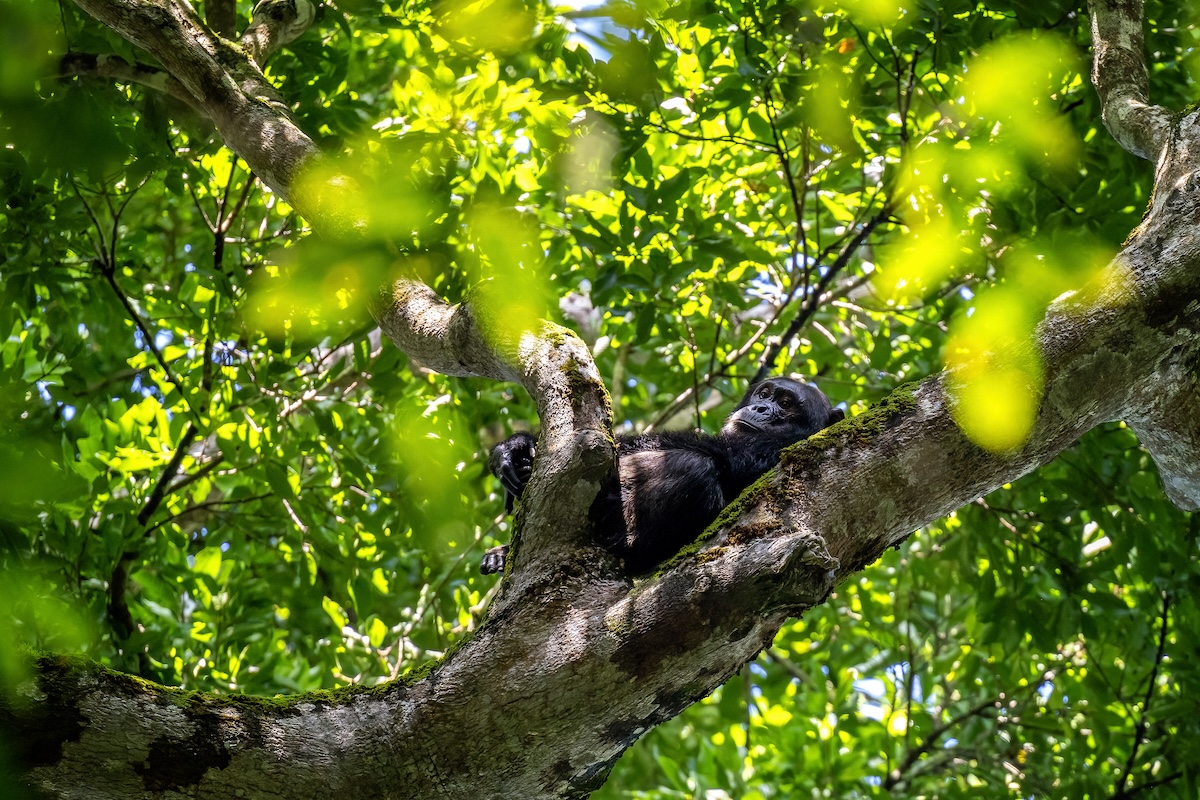
chimpanzee in Kibale, Uganda

Why Kibale Forest for Chimpanzee Photography

Kibale National Park spans 766 square kilometers of tropical rainforest in western Uganda, home to over 1,500 chimpanzees, one of the largest populations in Africa. What sets it apart is the habituation of several troops, allowing close encounters without disturbing their routines. Photographers can observe social interactions like grooming sessions, dominance displays, or playful juveniles up close, often within 5 to 30 meters. The dense biodiversity adds layers to your images: other primates like red colobus monkeys or birds flitting through the understory. Compared to other sites, Kibale’s consistent access and varied behaviors make it a top spot for primate photography. 

What to Expect on a Chimp Trek

Treks start early, often at 6-7 AM, with rangers leading you into the forest. Expect 1-4 hours of walking over uneven terrain before locating a troop via calls, tracks, or feeding signs. Once found, you’ll spend your allotted time observing from a respectful distance. Chimps move unpredictably: one moment high in the trees, the next on the ground. Be prepared for low light under the canopy and sudden bursts of activity. Groups are capped at 6-8 people, ensuring minimal impact.

Explore our upcoming primate photography trips in Uganda

Tourists encountering chimpanzees in Kibale, Uganda

Essential Equipment for Chimp Photography

In the dim forest, prioritize gear that handles low light and quick adjustments. A full-frame mirrorless or DSLR camera with good high-ISO performance is key; modern models manage ISO 3200 or higher with minimal noise. For lenses, versatile zooms like 70-200mm f/2.8 or 100-500mm provide reach without bulk, covering chimps at varying distances. Bring a monopod or bean bag for stability, extra batteries for long days, and weatherproof covers for rain. Avoid tripods; they’re too cumbersome on treks.

Photography Tips & Camera Settings

The forest is not a controlled space. Light rarely shines evenly, subjects move quickly, and compositions can feel busy. Rather than fighting these conditions, the most successful images come from embracing the environment, both its challenges and its opportunities.

When it comes to composition, bear in mind that chimpanzee photography in the forest is less about isolating subjects against a blank backdrop and more about finding clarity within complexity. Chimps are expressive and social. Photographing them is about capturing behaviour and interaction as much as physical form. Grooming, play, quiet moments of rest – these are often where the narrative lives. Here are some tips of how to work with these circumstances;

  • Use foreground branches and foliage intentionally. They can frame subjects and add depth.
  • Look for natural clearings, breaks in the canopy, or moments when subjects come to rest.
  • Focus on behaviour rather than static poses. Interactions between individuals often tell a stronger story than single portraits.

In terms of recommended camera settings to deal with the dim forest light, here’s a practical starting point:

  • Shutter speed: Aim for 1/250s or faster when possible. Higher speeds help freeze motion when chimpanzees move through the undergrowth.
  • Aperture: Use wide apertures (f/2.8–f/4) to let in light and separate subjects from busy backgrounds.
  • ISO: Be ready to raise ISO. Modern sensors handle higher values well, and it’s better to use higher ISO than to end up with unusable blur.
  • Autofocus: Continuous tracking helps with movement through branches or uneven terrain.

Also on our blog: Mountain Gorilla photography tips

chimpanzees in Kibale, Uganda

Ethical Considerations

Respect comes first in wildlife photography, and it’s important to follow the guidance you’re given by your rangers, who enforce minimum distances, limited viewing time, and protocols intended to protect both humans and primates. Some key points are:

  • Flash photography is discouraged.
  • Keep movement quiet and controlled.
  • Comply with all guide instructions.
  • Prioritise animal welfare above any single photograph.

Best Time to Visit

Plan your trip during Uganda’s dry seasons – June to September or December to February – when trails are less muddy and chimpanzee sightings more reliable. These periods align with fruiting cycles, drawing troops to accessible areas. Early mornings offer soft light filtering through the canopy, ideal for portraits, while mid-morning brings calmer activity as chimps rest and feed. You might want to avoid the wettest months of March to May or October to November, when heavy downpours can complicate treks and reduce visibility.

chimpanzee in Kibale Uganda

Beyond Chimps: Other Photography Opportunities in Kibale

There’s more to photograph than just chimps in Kibale. The forest teems with subjects: capture red-tailed monkeys leaping branches or kingfishers by swamps. Birdwatching walks yield shots of turacos in flight, while macro lenses reveal insects and flora.

Plus, if you’re heading to Uganda, you won’t want to miss out on the other wildlife photography opportunities the county has to offer; head to Bwindi or Mgahinga for gorilla photography, and combine this a more traditional safari experience in Queen Elizabeth National Park.

This is exactly the kind of itinerary we bring you with our Uganda Photo Safari; it’s a trip that combines all of Uganda’s wildlife photography treasures. It’s varied, adventurous, and an absolute treat for keen wildlife photographers of all levels.

Find out more about our upcoming photography trips to Uganda

Other recent posts

Close Menu

TOURS

VOLUNTEERING

DESTINATIONS

PHOTOGRAPHY FOCUS

ABOUT US

BLOG

PHOTO COMPETITION

ENQUIRE

BACK

PHOTOGRAPHY FOCUS