Joining a photo tour in Japan in autumn offers an experience unlike any other season. As temperatures cool and the landscape transforms, Japan reveals one of its most photogenic faces with ancient temples framed by autumn foliage, mountain scenery in red and gold and shrines reflecting the stillness of the season. It’s a setting that feels timeless and one that lends itself beautifully to landscape and cultural photography.
Across this season, photographers can explore historic temples, tranquil gardens, and lively city streets, all shaped by the distinctive quality of autumn light, cooler weather, and a rich atmospheric depth that’s unique to this time of year. Japan’s strong respect for nature and heritage helps preserve scenery that feels authentic and deeply rewarding to photograph.
Beyond landscapes, autumn festivals, harvest traditions, and daily life in fall provide depth and storytelling for your photographic work. Whether you’re capturing the soft warmth of late afternoon light through coloured leaves, dramatic mountain scenery, or the quiet details that mark this most beautiful of seasons, Japan in autumn is a truly inspiring environment for photographers.
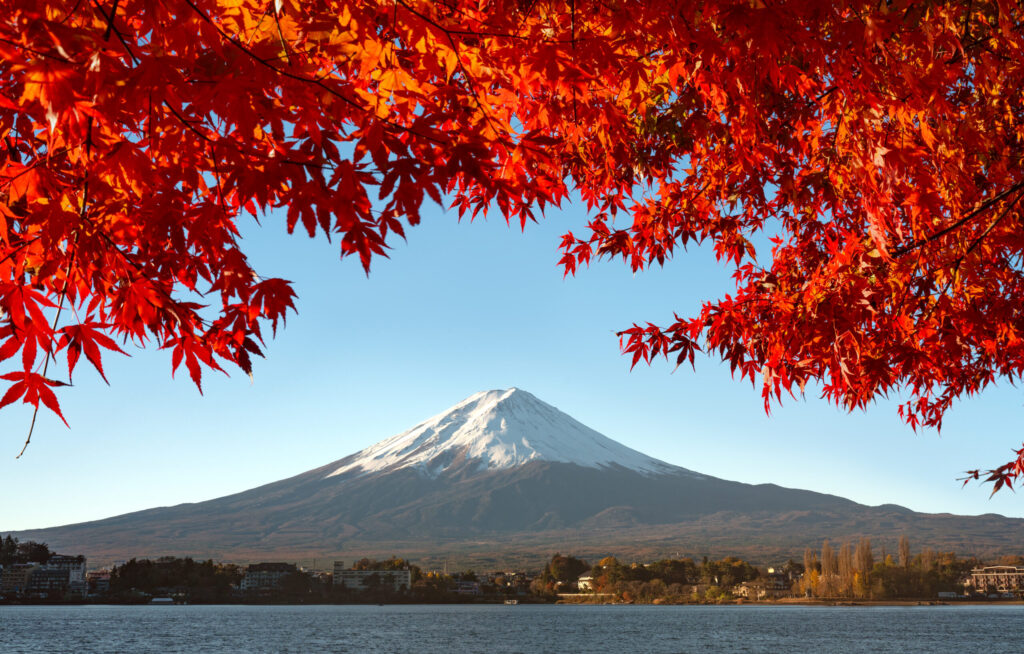
Explore Japan on a photography tour for landscape, people and culture photography!
Nov 17 - 26, 2026
Nov 17 - 26, 2027
Can’t make these dates? Contact us to arrange a date that works for you.

At Penda, we know photography and we know travel. And we certainly know what makes an amazing photo tour or safari; it's all about the details. It's about making sure you've got the right light and angle for that perfect shot. It's about keeping it small and exclusive. It's about giving you photographic tutoring at your level, so that you can hone your craft in the way that works for you.
Find out moreIf you’re joining a Penda Photo Tour in Japan, you’ll be using the Japanese yen (¥) as the local currency throughout your trip. The yen is commonly abbreviated as JPY.
Japan’s culture is a dynamic mix of tradition, spirituality, and modern innovation. Shaped by Shinto and Buddhist beliefs, a deep respect for nature, and a strong sense of community, the country blends old and new with remarkable ease. Traditional tea ceremonies, seasonal festivals, historic temples, and classic arts exist right alongside modern design, energetic city life, and cutting-edge technology.
This balance between ancient heritage and contemporary culture creates endless visual contrast and authentic moments. For photographers, Japan offers striking scenes and meaningful experiences that make it an inspiring destination for immersive photography.
Yes. Japan is widely considered one of the safest countries in the world, with very low crime rates and a strong respect for public order. Travelers generally feel comfortable exploring cities and rural areas alike.
The main things to be mindful of are natural events such as earthquakes or typhoons, but Japan has excellent disaster preparedness systems and real-time alerts that help keep visitors informed and safe.
The best time to visit Japan for photography is autumn, when cooler temperatures and vibrant foliage create ideal conditions across the country. From mid-October through late November the landscapes transform and the light is at its most rewarding. It’s the season our Japan photo tour is built around.
Japanese is the main language spoken throughout Japan and is used in everyday life, schools, and public services. While you may encounter some English in major cities and tourist areas, Japanese is by far the most commonly used language.
Japan is also home to a small number of regional and indigenous languages, including the Ryukyuan languages in Okinawa and the Ainu language in Hokkaido, though they are spoken by relatively small communities today.
To enter Japan, you’ll need a passport that’s valid for the length of your stay. Many travelers can visit Japan visa-free for up to 90 days, depending on their nationality, while others will need to apply for a tourist visa in advance.
Upon arrival, you’ll complete a Disembarkation Card and a Customs Declaration, either online before your flight or at the airport. You may also be asked to show proof of a return or onward ticket to confirm your travel plans.

BACK
DESTINATIONS
AFRICA
THE AMERICAS
EUROPE
ASIA