10 November 2025 - Ethics in Photography Travel, Photography Tips by Professionals

The Ethics of Portrait Photography on Photo Tours

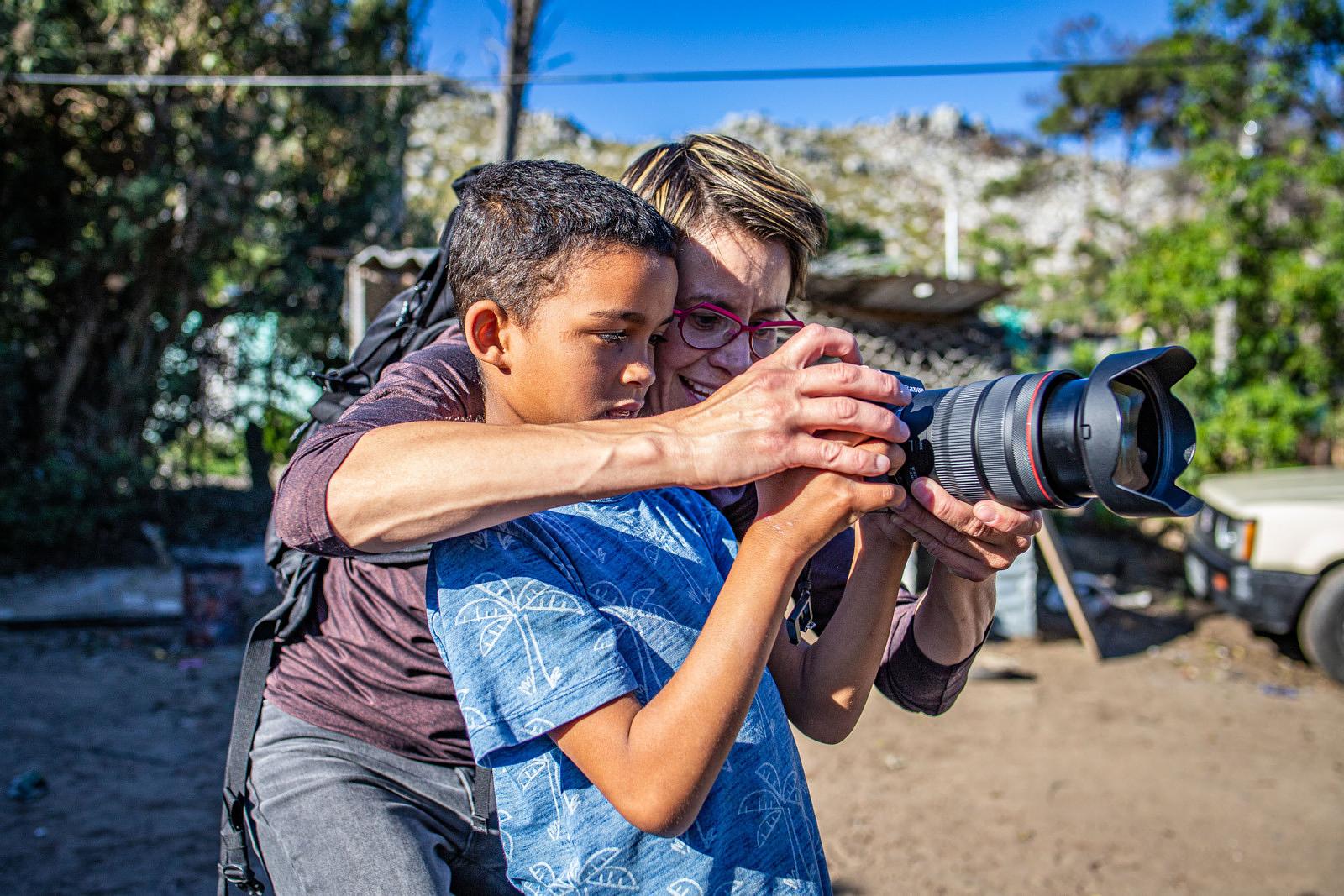
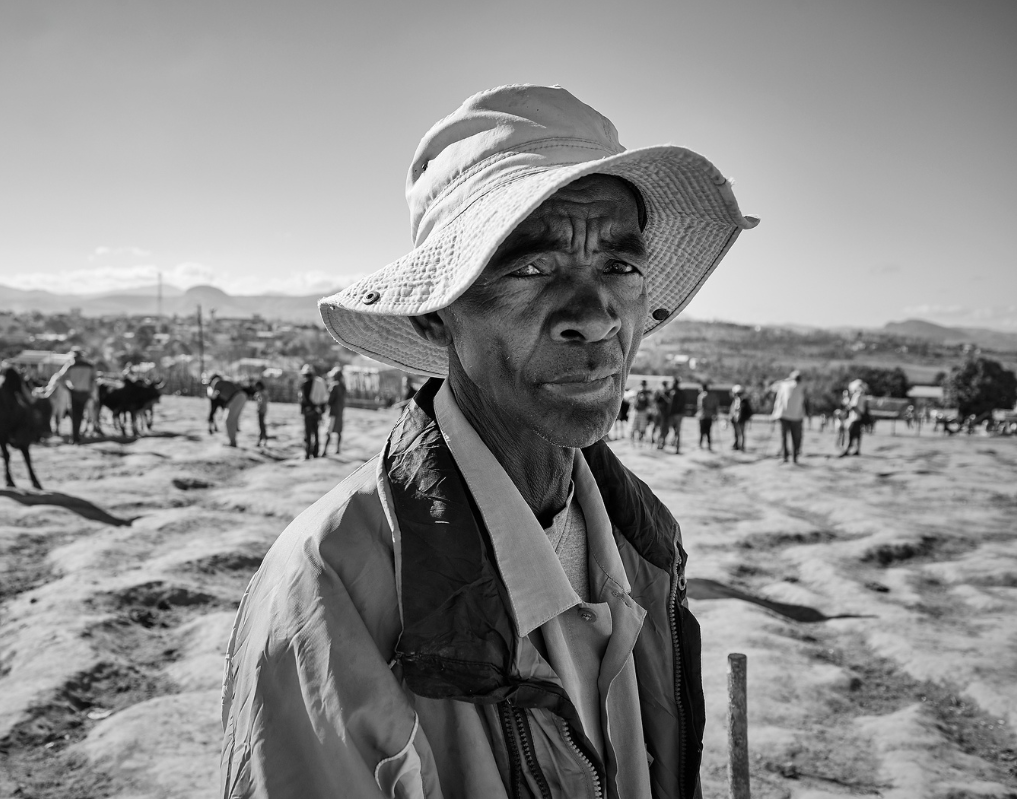
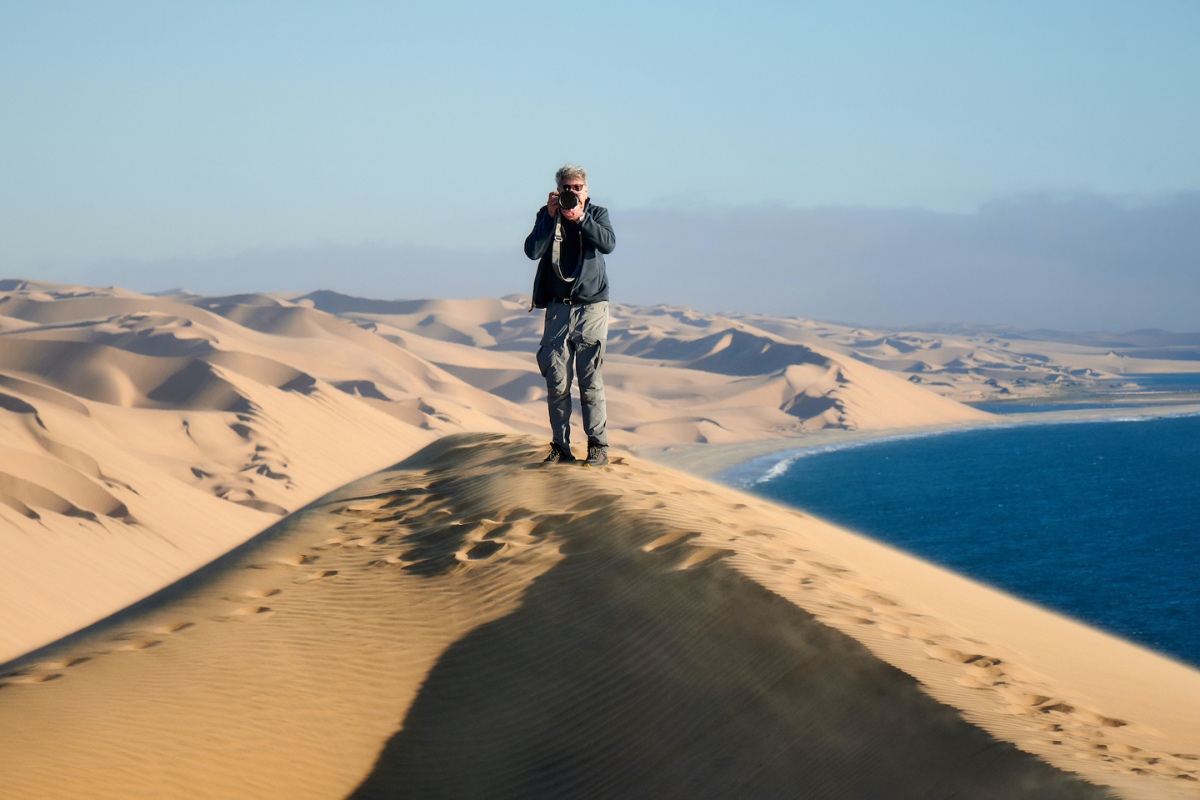
Travel photography can offer extraordinary opportunities to connect with people, but it also asks us to consider how we show up with a camera in someone else’s space. On a photo tour, the excitement of capturing new faces and stories often intersects with questions of consent, culture, and respect. To explore how we can approach portrait-making ethically and responsibly, we spoke with South African photographer and tour leader Emil von Maltitz. Emil has spent over two decades working as a field-based photographer across Africa and beyond, but also as a photography lecturer, guiding emerging photographers not only in technique but in the ethics behind the craft. In this conversation, Emil shares practical guidance and candid reflections on what it means to photograph people with integrity while traveling.

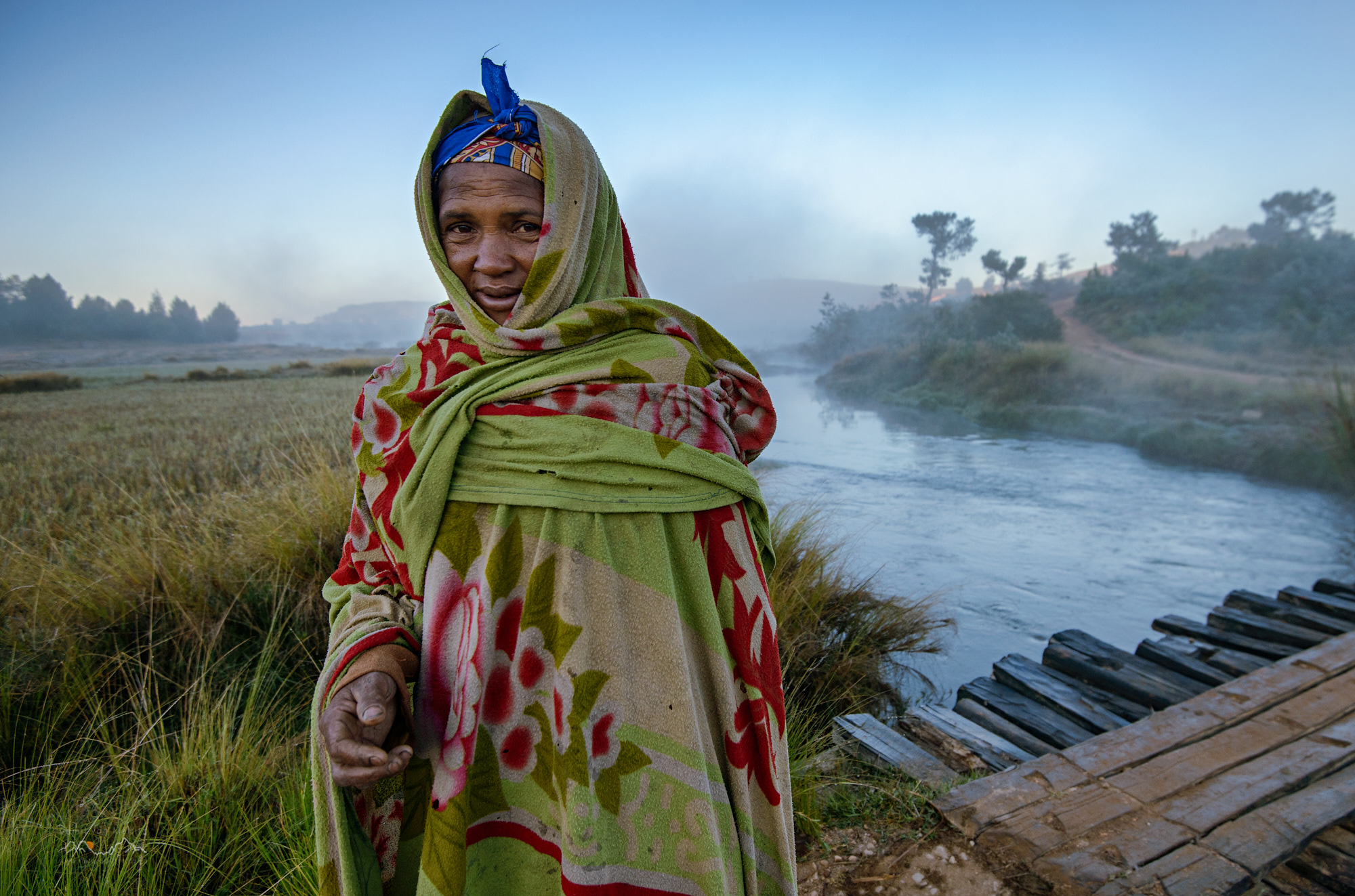
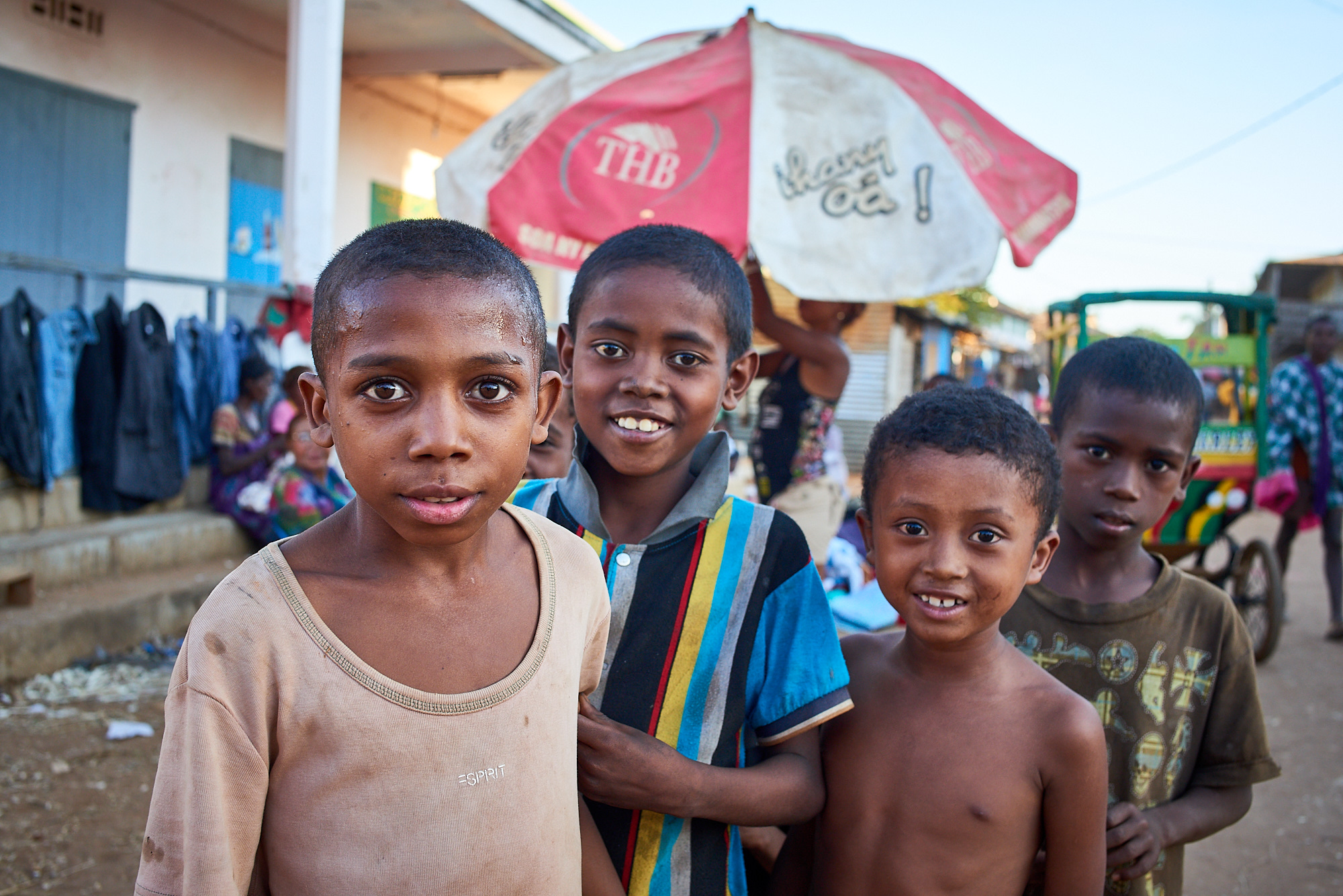
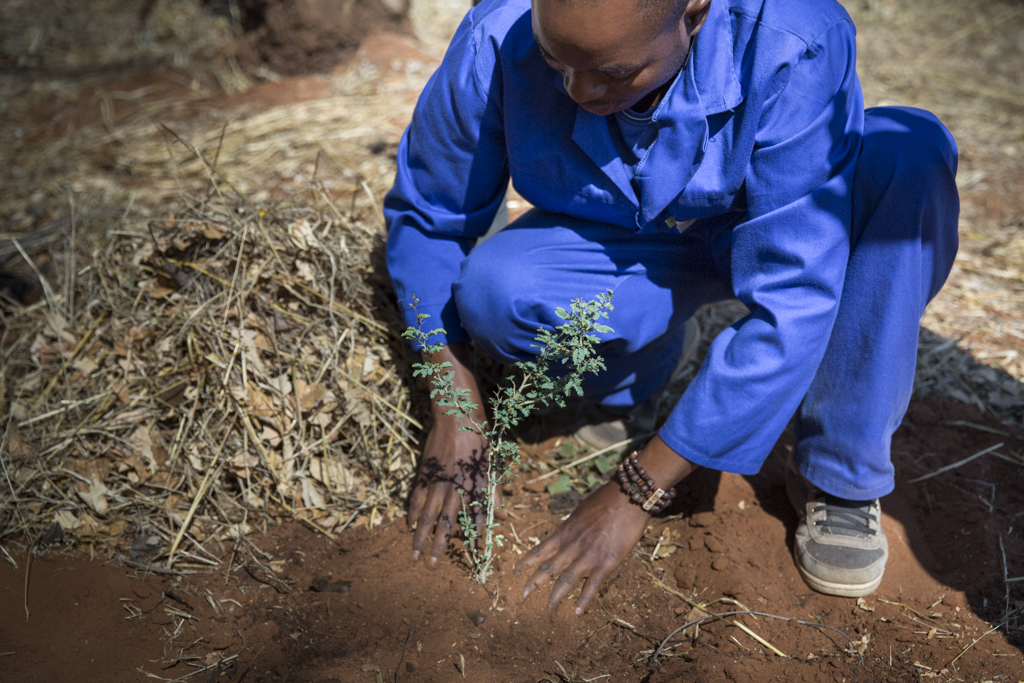
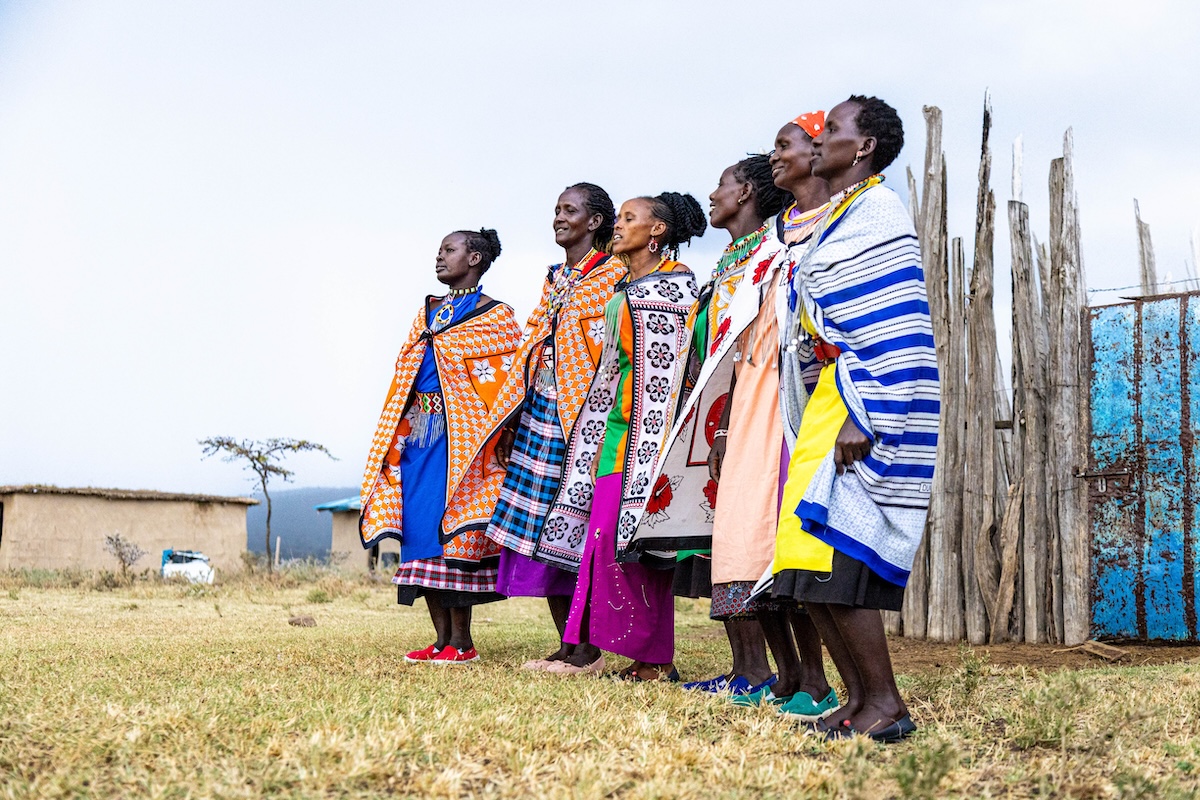
All images by Emil von Maltitz 

ethics in travel photography, portraits

Is it possible to have a standard policy around taking portraits while traveling?

Photographing people is hard. In many ways a landscape or an animal is a lot easier to photograph as it doesn’t talk back. It doesn’t demand you put the camera away, or sidle up to you and ask for money. Unfortunately there is no generic approach or set of rules to photographing people either. What works in one town, won’t in another.

Similarly, different countries will have very different ways of perceiving tourists and photographers. In some countries you have to be aware of religious codes and feelings around being photographed, while in others people are happy to have the camera pointed at them.

In Morocco I have been amazed by the willingness of people to be photographed in Casablanca while the exact opposite is found in Marrakesh – and the two cities are only two hours apart. My personal take is to approach every potential portrait with respect and humility. The person being photographed is offering you a favour in letting you create an image of them. Respect that favour.

Also on our Blog: Ethics in Photography Travel, The Bo-Kaap Case

ethics in travel photography

What are the ethics around paying people to take their portraits?

I am not a huge fan of paying people for portraits. There are valid arguments to be made that one should, but it can also create a terrible knock-on effect down the line. As an example, I was traveling in Kenya and an old man gestured for me to take his photograph while I was waiting at the side of a grass airfield for a plane. I didn’t want to photograph him and indicated that I would rather not. He insisted and eventually I lifted my camera and took the photograph, a poorly composed, badly backlit image of him standing by a tree. Immediately, two younger men stepped out and demanded that that I pay them for the image. They became quite threatening, pointing their spears at my face and insisting loudly until the client who I was actually there shooting for came over and talked them off.

I have heard similar stories from travellers in various parts of the world. As soon as you pay for taking a photograph, an expectation is created for the next person who travels through. Where does it let off?

I far prefer engaging with the people that I photograph, getting to know them and asking permission before I take a photograph. I often travel with an Fujifilm Instax camera or printer and hand out a print to the person I have photographed. The irony is, of course, that this is probably far more expensive than handing a few coins over. However, the exchange is more meaningful I think.

On top of this, I always try to get the name of the person I have photographed, as well as an email address or somewhere I can send that person a copy of the finished portrait image. Invariably, through engagement and exchanging photographs, I am able to capture portraits of people happy to be photographed.

And occasionally, feeling like a hypocrite, I will actually pay some money to the person I am photographing. It is not a hard and fast rule though and largely I try to avoid the exchange of money. But if you want to do something, buy something from the person, as invariably the people we meet and photograph are traders selling wares of some sort – just pay for something other than the photograph.


portrait photography ethics

Are there situations when we should just put our cameras down?

I have had some of the most incredible encounters with people I meet while traveling on photographic workshops. However, if someone shakes their head or says no, put the camera down. As a traveller, we have no right to capture a photograph of someone who doesn’t want to be photographed.

Of course, walking through the streets of Marrakesh, Cape Town or Kathmandu we all imagine ourselves as modern day Henri-Cartier Bressons. We look to images from National Geographic and want to emulate the likes of Sam Abell, Steve McCurry and Jodi Cobb. But the reality is very different. Particularly in places that have been made famous in the last decade by Instagram, local residents have become fatigued by the constant gaze of tourist cameras. Tourists can also be incredibly insensitive to local cultures and mores. Don’t be that tourist! Think before you shoot.

The reality is that the images we want to emulate are often created after long periods of time where the photographer has been accepted by a community. Often, those photographers have interlocutors working with them, greasing the wheels and making the introductions. The average tourist, even the average photographic workshop attendant doesn’t have this. (Although the latter often does get better opportunities, but these are managed and planned as opposed to the found portraits on the street.)

ethics in travel photography

How can guests prepare for or educate themselves about taking portraits during a photo tour?

It depends on the destination. Madagascar in particular is a dream for street photographers. It is a country that is still sees very few tourists annually, and most of those are concentrated in small pockets. As a result, a lot of the places we visit on our Madagascar Photo Tour are very open to photography and the people we meet and interact with haven’t been jaded by the hordes of tourists that other countries experience. It is an incredible place to  overcome your fear of approaching strangers. Early on the trip, we have a discussion around the ethics of photographing people. We workshop how to approach strangers as well when to put the camera away.

We do the same on the Morocco Photo Tour, although there we also discuss the importance of recognising religious rules around photographing people. Most of all, we impress upon our photographers the concept of doing no harm. Photography can be an amazing tool of connection between people. I’d far rather see it as a way of connecting strangers, than instilling disgruntlement.

Also on our Blog – Ethics on Photo Safaris: Why Distance Matters

ethics in travel photography

Other recent posts

Close Menu

TOURS

VOLUNTEERING

DESTINATIONS

PHOTOGRAPHY FOCUS

ABOUT US

BLOG

PHOTO COMPETITION

ENQUIRE

BACK

PHOTOGRAPHY FOCUS